
Claude Code Pricing 2026: Full Breakdown + Is It Actually Worth Paying For?
Claude Code pricing is usage-based rather than a flat subscription — you pay per API token consumed, which means costs scale with how much you use it. Light use runs roughly $5–15 per month, while regular professional use on larger codebases typically falls in the $20–60 range. Claude Pro sits at $17 per month for the standard chat interface. Whether Claude Code justifies the cost depends on whether you work across multi-file projects — for developers dealing with complex codebases daily, the time savings are significant enough that most find it worthwhile within the first month.
I spent three months testing Claude Code on real projects before writing this. Here’s what the pricing actually looks like in practice, and when it makes sense to pay for it.
How Claude Code pricing works

Claude Code doesn’t use a flat monthly subscription like most software. It runs on Anthropic’s API, which means you pay based on how much you use it — specifically, how many tokens you consume. Tokens are units of text: roughly 750 words equals about 1,000 tokens.
In practice, this means costs vary significantly depending on your workflow. A developer who uses Claude Code for an hour on a small project pays less than one who runs it continuously on a large codebase all day. There’s no free tier for Claude Code itself, though you need an API key to use it and Anthropic does provide some initial credits when you create an account.
For context on where costs typically land: light use on small projects might run $5–15 per month. Regular professional use on medium-sized codebases tends to fall in the $20–60 range. Heavy use on large projects can go higher, though most developers optimize their usage once they understand how token consumption works.
What you’re paying for

The core capability that justifies the cost is multi-file awareness. When you use Claude through the standard chat interface, you manually paste code in and get responses. Claude Code connects directly to your project folder and can read multiple files simultaneously, understand how they relate to each other, and make coordinated changes across the entire codebase.
This matters most when bugs cross file boundaries — when a function defined in one file is called incorrectly in three others, for example. In a chat interface, you’d need to paste all four files separately and hope the AI maintains context across them. Claude Code handles this natively.
For single-file work or quick questions, the standard Claude interface at claude.ai handles most tasks without any additional cost beyond the subscription.
The standard Claude tiers
Before deciding whether Claude Code is worth it, it’s worth understanding where it fits in the pricing structure. The free tier at claude.ai covers basic chat interactions including coding help, with message limits that most casual users find sufficient. Claude Pro at $17 per month raises those limits significantly and adds priority access. Claude Code sits above both of these as a separate product accessed through the API.
When it genuinely pays for itself
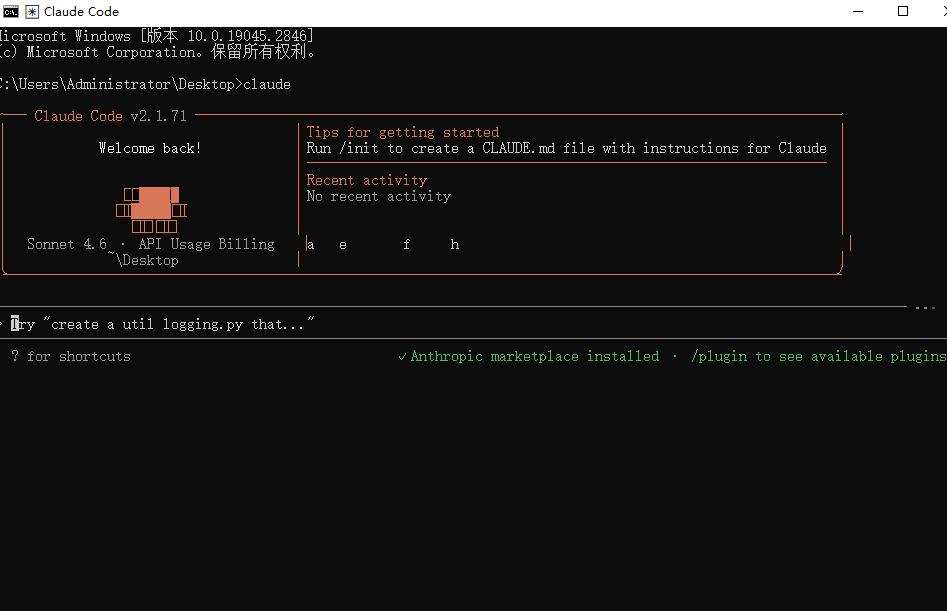
The developers who find Claude Code clearly worth the cost share a specific profile: they work on projects with multiple interconnected files, they spend significant time currently navigating between files manually, and they debug issues that require understanding how different parts of the codebase interact.
For a developer spending two hours per week on copy-paste friction alone — moving code in and out of chat windows, re-explaining context, losing track of what the AI has already seen — Claude Code’s seamless project access removes most of that friction. If two hours of development time is worth more than the monthly API cost, the math works.
When it probably isn’t worth it
For learning to code, the free tier is more than enough. The standard interface handles debugging, explanations, and code generation for individual files without any cost.
For small projects with simple file structures, the multi-file advantage of Claude Code matters less. A single-page web project or a short Python script doesn’t benefit much from having Claude read the whole project folder.
For developers who primarily need code generation rather than debugging — writing new functions, generating boilerplate, drafting standard implementations — ChatGPT Plus at a flat monthly rate might offer better value, since it handles generation tasks efficiently and the cost is predictable.
The honest comparison
Claude Code’s variable pricing makes it harder to budget than a flat subscription, and that’s a legitimate drawback. Some developers overspend in the first month before they understand how to use it efficiently. Setting a monthly spending cap through the Anthropic dashboard is worth doing immediately.
The capability difference on complex debugging is real. Claude’s ability to trace an error through an entire codebase, explain the root cause in terms of the actual logic rather than just the error message, and fix multiple related issues simultaneously is measurably better than what you get from pasting individual files into a chat window.
Whether that difference justifies the cost depends entirely on what you’re building and how you work. The honest recommendation is to try it for one month on a real project you’re actively working on, track the time it saves, and compare that against the bill. Most developers who find it valuable know within two weeks.


